Brand strategist
You need a defensible first pass before presenting creator options to a client.
A focused brief makes the shortlist easier to explain and compare.
YouTube discovery
These easykol examples for youtube show how a clear channel brief can turn a broad creator search into a shortlist you can actually assess.

Example briefs
Each example starts with a specific YouTube need and ends with a more useful direction for reviewing channels, audiences, and content fit.
Find YouTube creators who review gentle skincare for sensitive skin, with educational videos and an engaged adult audience.
 Beauty
result
Beauty
result
Show YouTube channels that publish practical weeknight recipes for busy families, avoiding celebrity chefs and entertainment-first formats.
 Food
result
Food
result
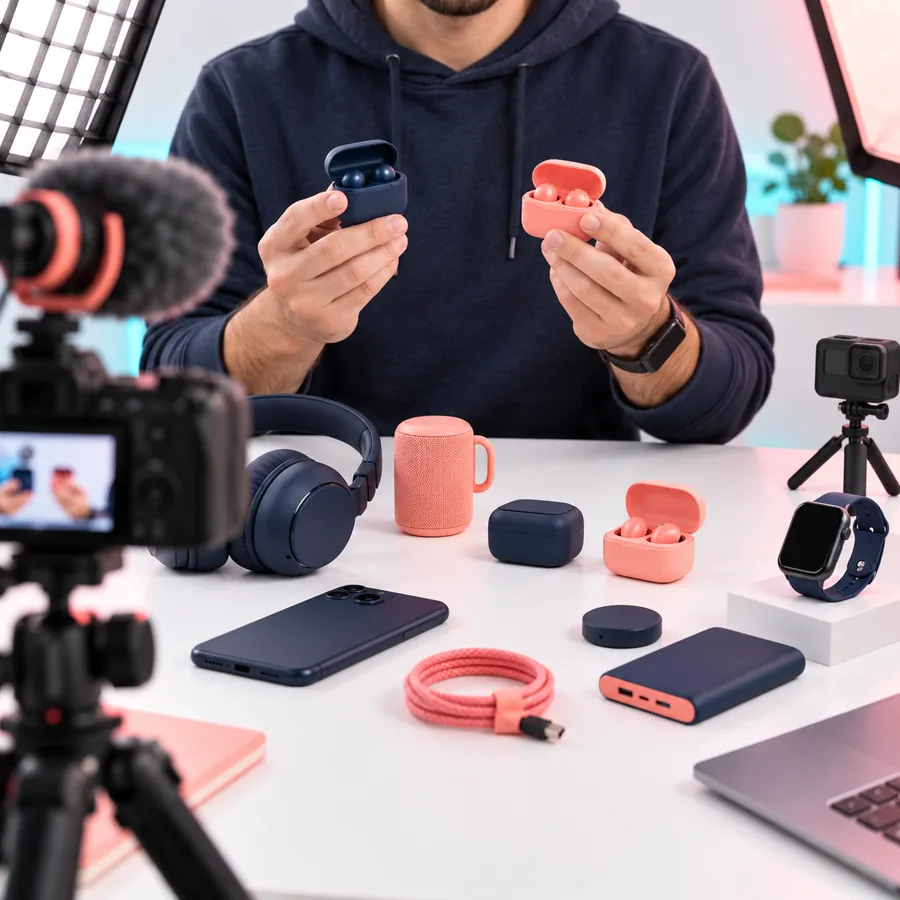
Find YouTube creators who make clear laptop and productivity reviews for remote workers, with a practical rather than gaming-focused angle.
 Technology
result
Technology
result
Identify YouTube creators covering realistic sustainable living for apartment residents, including affordable routines and product comparisons.
 Lifestyle
result
Lifestyle
result
Adapt each brief by naming the audience, subject, format, and exclusions that matter to your campaign.
Practical workflows
The strongest examples are not generic searches. They reflect the person doing the research and the decision they need to make next.
You need a defensible first pass before presenting creator options to a client.
A focused brief makes the shortlist easier to explain and compare.
You are checking several YouTube niches for creators who fit a campaign idea.
Search examples help separate topical relevance from a merely large channel.
You want to compare a promising channel with other creators serving the same audience.
A concrete reference point gives the next discovery pass more direction.
YouTube is one part of a wider creator plan and you need to carry the audience idea across platforms.
The same audience logic can inform an adjacent review of easykol examples tiktok.
Workflow comparison
Use the comparison below to keep the example focused on decisions a researcher can make, rather than on vague inspiration.
| Unstructured search | Brief-led Easykol review | |
|---|---|---|
| Starting point | A broad topic or a familiar channel | A defined audience, topic, and content angle |
| Discovery path | Open-ended browsing across recommendations | A search framed around the campaign need |
| Channel fit | Often judged by surface-level relevance | Considered alongside format and audience context |
| Exclusions | Usually held in the researcher's head | Written into the brief before review |
| Comparison | Notes vary from channel to channel | The same questions guide each candidate |
| Next action | Keep browsing or start over | Refine the brief, inspect candidates, and plan outreach |
Related paths
Examples are useful when they lead to a clear next question. These related paths help you move from discovery into evaluation without losing the original audience brief.
Before and after
The difference is not simply more results. It is a clearer instruction for deciding which channels deserve a closer look.


A useful example names the audience and the content decision, not just the platform.
Broad topicReviewable briefPlanning aid
Use this simple planning aid to think through how much manual review a discovery pass may require as your working list grows.
notes
minutes
channels
Next step
Start with the audience and content angle you care about, then let the search brief guide which channels deserve a closer look. The best examples are specific enough to refine and practical enough to support the next decision.
Common questions
They show how to turn a YouTube creator-search idea into a more specific brief. The examples are useful for clarifying audience, subject, format, and exclusions before reviewing potential channels.
Yes. Replace the subject, audience, and content style with the details of your campaign. Keeping the structure of the example while changing its criteria can make the next search easier to assess.
Including exclusions can make the brief more practical. You might specify formats, audiences, creator types, or content angles that are not relevant, so the review stays closer to the decision you need to make.
Use the same questions for every candidate: does the topic fit, does the audience fit, and does the content style support the campaign? You can then refine the search brief around the patterns you find.