easykol

TikTok research

easykol examples tiktok for clearer creator shortlists

Use easykol examples tiktok as a working model for turning a TikTok brief into comparable creator examples, review notes, and a shortlist you can explain.

Bring your brief · refine as needed

Planning model

Estimate the review value before you begin

Set the number of profiles you expect to examine and use this transparent planning model to estimate shortlist size, review effort, and a working budget. These are planning assumptions, not product promises.

Shortlist size

creators

Estimated review cost

budget units

Estimated time saved

hours

Mechanism cards

Three ways TikTok examples become useful

The strongest examples do more than display creator names. They show how a discovery question becomes a comparable, reviewable decision.

Brand strategist

You need examples of TikTok creators whose videos explain a product clearly without sounding like a formal advertisement.

Use the examples to separate visual style, opening hook, audience fit, and evidence of consistency. The companion page on easykol examples for youtube shows how the same briefing habit can transfer to long-form video.

easykol examples for youtube

Influencer manager

You are assembling a first-pass list for a campaign and need a common format for comparing several TikTok profiles.

Record the creator angle, recurring formats, audience clues, and possible campaign role in the same order for every profile. The easykol examples for youtube page offers a parallel channel-specific comparison.

easykol examples for youtube

Content lead

You want examples of TikTok creators who repeatedly turn one topic into short, recognizable video series.

Look for repeatable structures rather than copying a single video. Comparing the same questions across profiles makes creative patterns easier to discuss with a team, while easykol examples for youtube provides a different platform reference.

easykol examples for youtube

Small business owner

You have a narrow audience and need a shortlist that explains why each TikTok creator might fit the brief.

Start with the audience problem, then capture the creator’s recurring promise, tone, and proof points. The easykol examples for youtube workflow is useful when your campaign later expands beyond short-form video.

easykol examples for youtube

Workflow comparison

A manual scan beside a structured TikTok review

This side-by-side view keeps the example process grounded. The goal is not to replace judgment, but to make the evidence behind a shortlist easier to inspect.

Ad hoc scan Structured Easykol review
Starting point Search broadly, then save profiles that look interesting. Begin with a written audience, topic, format, and campaign brief.
Creator selection Rely mainly on the first visible results or familiar names. Compare several candidates against the same stated criteria.
Video evidence Save a link or screenshot without recording why it matters. Note the hook, recurring format, topic angle, and visible audience signals.
Audience fit Infer fit from category labels or follower size alone. Check whether the content language and recurring subjects match the intended audience.
Creative pattern Treat one successful video as representative. Look for repeated structures across multiple posts before drawing a conclusion.
Team handoff Send a loose list that needs another explanation. Share a shortlist with a reason, caveat, and next question for each creator.
Final decision Choose quickly when the profile feels familiar. Use the examples as evidence for discussion, then verify important details directly.

Prompt examples

Start with a brief, then inspect the result

These example prompts show how a vague TikTok search can become a focused creator-discovery request. Adapt the audience, subject, format, and evidence you need.

  1. 1 prompt, verbatim
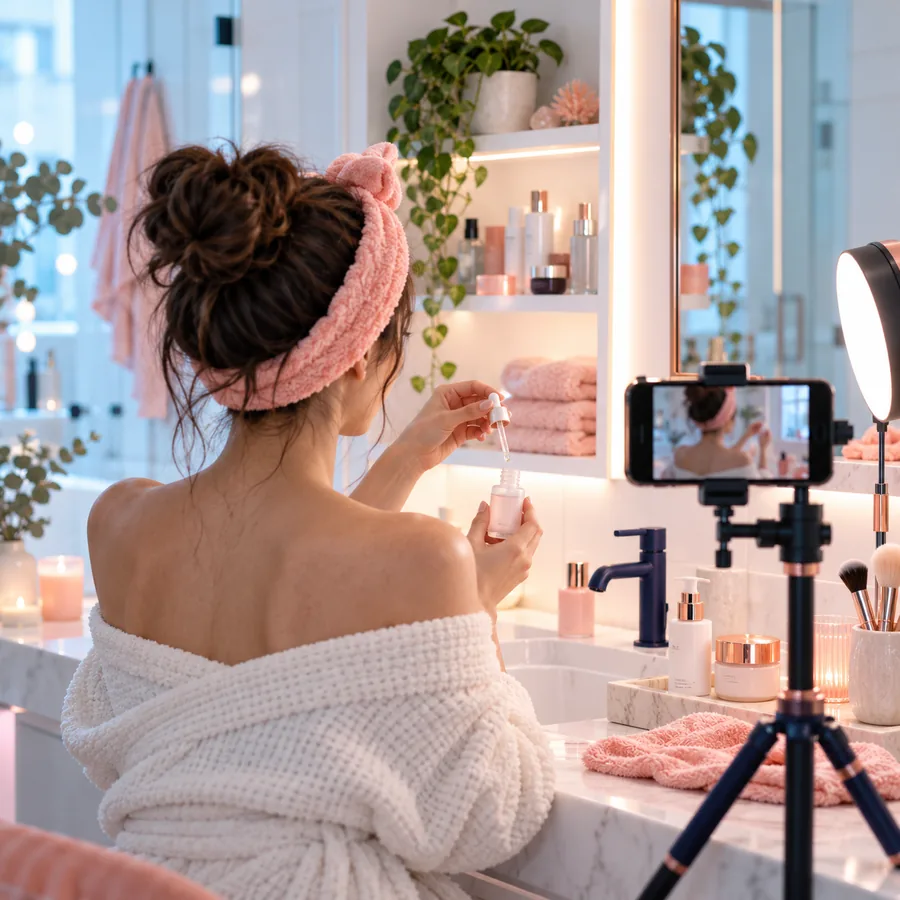
    Find TikTok creators in clean beauty who teach one practical routine per video and feel credible to ingredient-conscious shoppers.
    Creator discovery brief Beauty · educational hooks
    TikTok creator discovery example for a beauty brief Beauty result
  2. 2 prompt, verbatim
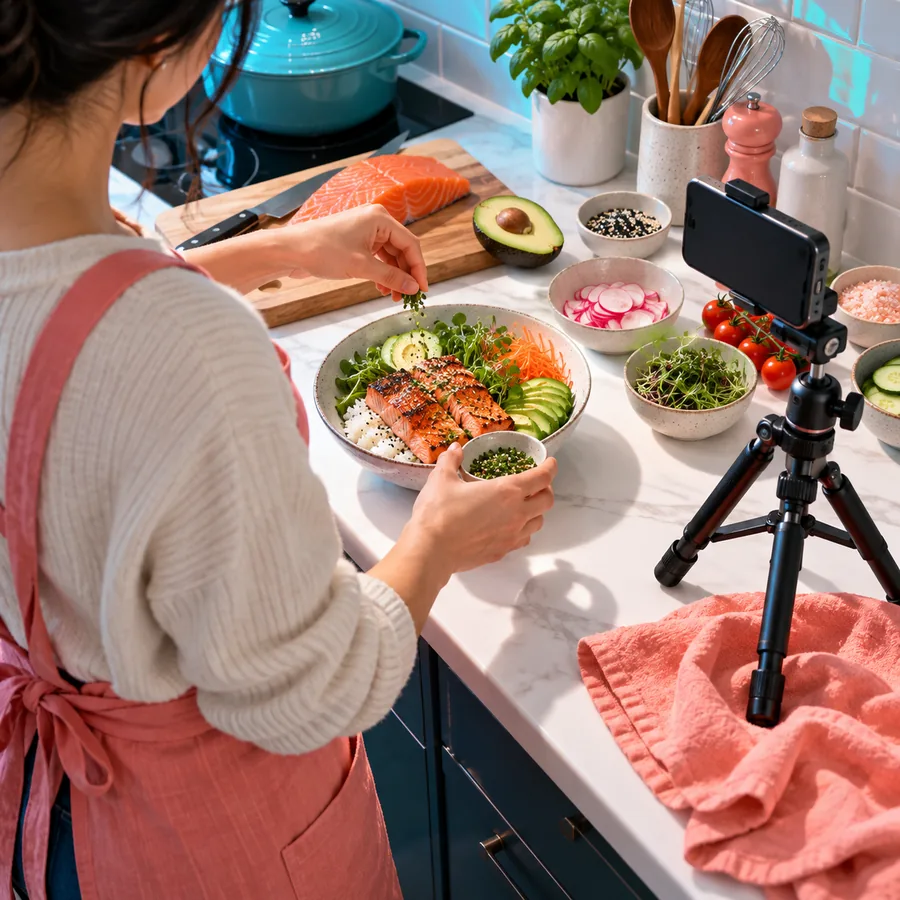
    Show TikTok food creators who make approachable weeknight recipes, use clear openings, and speak to busy home cooks.
    Creator discovery brief Food · practical recipes
    TikTok creator discovery example for a food brief Food result
  3. 3 prompt, verbatim
    Identify lifestyle creators on TikTok who turn sustainable habits into short recurring series for an audience new to the topic.
    Creator discovery brief Lifestyle · recurring series
    TikTok creator discovery example for a lifestyle brief Lifestyle result
  4. 4 prompt, verbatim
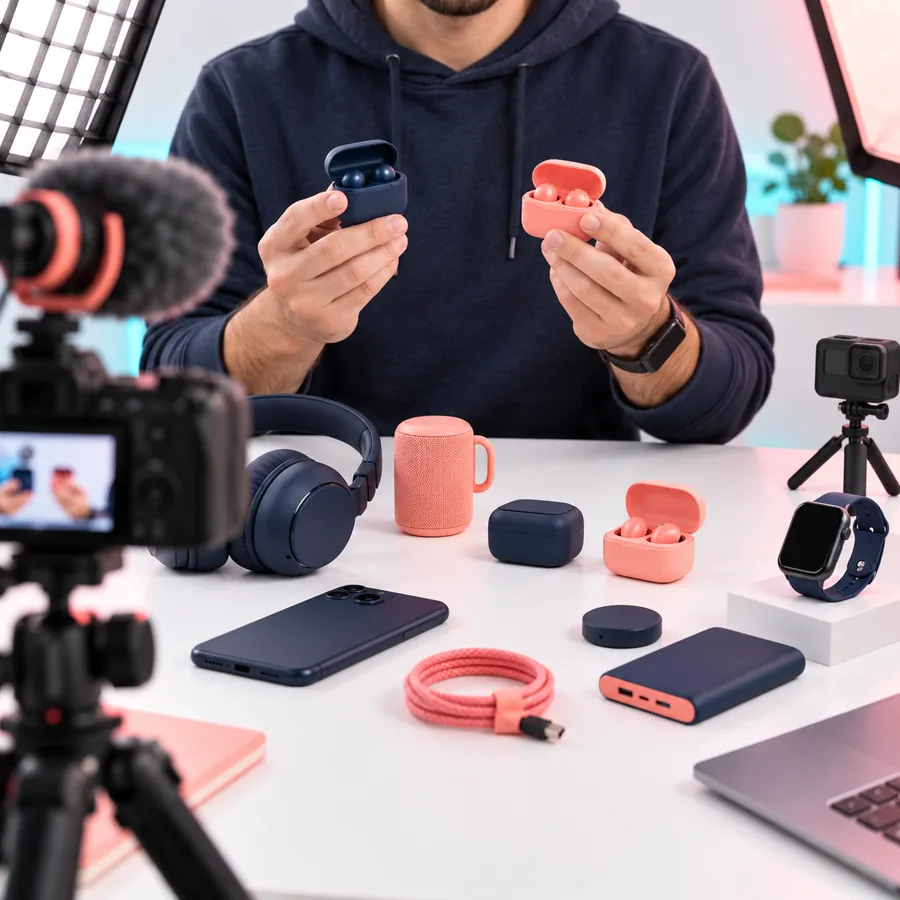
    Find TikTok technology creators who explain everyday tools in plain language and balance product examples with useful education.
    Creator discovery brief Technology · explainers
    TikTok creator discovery example for a technology brief Technology result

Change one variable at a time so you can tell whether audience, topic, format, or proof requirements changed the examples.

Audience modes

Use the same method for three TikTok briefs

A consistent structure helps different teams review examples without forcing every campaign into the same creative mold.

Brand teams

From campaign idea to evidence

Brand teams can use a TikTok example brief to make the creative question explicit before reviewing creators. Define the audience, product context, desired tone, and the kind of video evidence that would support a fit decision.

  • Name the audience problem before naming a creator.
  • Separate visual appeal from campaign relevance.
  • Keep a short reason beside every candidate.

Agencies

From broad search to client-ready shortlist

Agencies often need to compare several categories quickly and explain the reasoning to a client. Use the same fields for every profile, then mark assumptions that still need direct verification.

  • Use one brief per campaign angle.
  • Capture recurring formats, not isolated successes.
  • Flag missing information instead of filling gaps with guesses.

Creators and teams

From competitor examples to original direction

Creators and content teams can study TikTok examples without copying them. Focus on the structure behind a video—its opening, teaching pattern, pacing, and payoff—then translate the insight into an original concept.

  • Study patterns across multiple posts.
  • Keep the audience need ahead of the trend.
  • Treat examples as references, not guarantees.

Next brief

Bring one audience, one topic, and one decision you need to make. Easykol can help you frame the discovery request so the resulting examples are easier to compare and discuss.

Turn your TikTok question into a sharper shortlist

  • Start with a concrete TikTok research question
  • Compare examples using the same criteria
  • Keep judgment and verification in the workflow
Build my creator brief

Common questions

FAQ about TikTok examples

These answers cover the practical questions that usually come up when using TikTok examples for creator research.

A useful example should include the creator or creator type, the audience context, the recurring content angle, and the reason it may fit the brief. It should also make clear which details are observations and which still need verification.

Yes, a narrow niche is often easier to review when the brief is specific about audience need and content format. Add the subject, tone, geography or language if relevant, and the evidence you want to compare rather than relying on a broad category alone.

There is no universal number, because the right starting set depends on the campaign question and the time available for review. Begin with a manageable shortlist, apply the same criteria to every profile, and expand only when the first set does not answer the brief.

No. Examples are references for discovery and comparison, not a guarantee of performance, availability, audience quality, or campaign fit. Confirm current profile details, commercial suitability, and campaign terms directly before making a final decision.

Study the underlying structure instead of repeating the surface treatment. Note the hook, explanation pattern, pacing, and audience promise, then develop an original concept that fits your own product, voice, and audience.

Find creators
Find creators